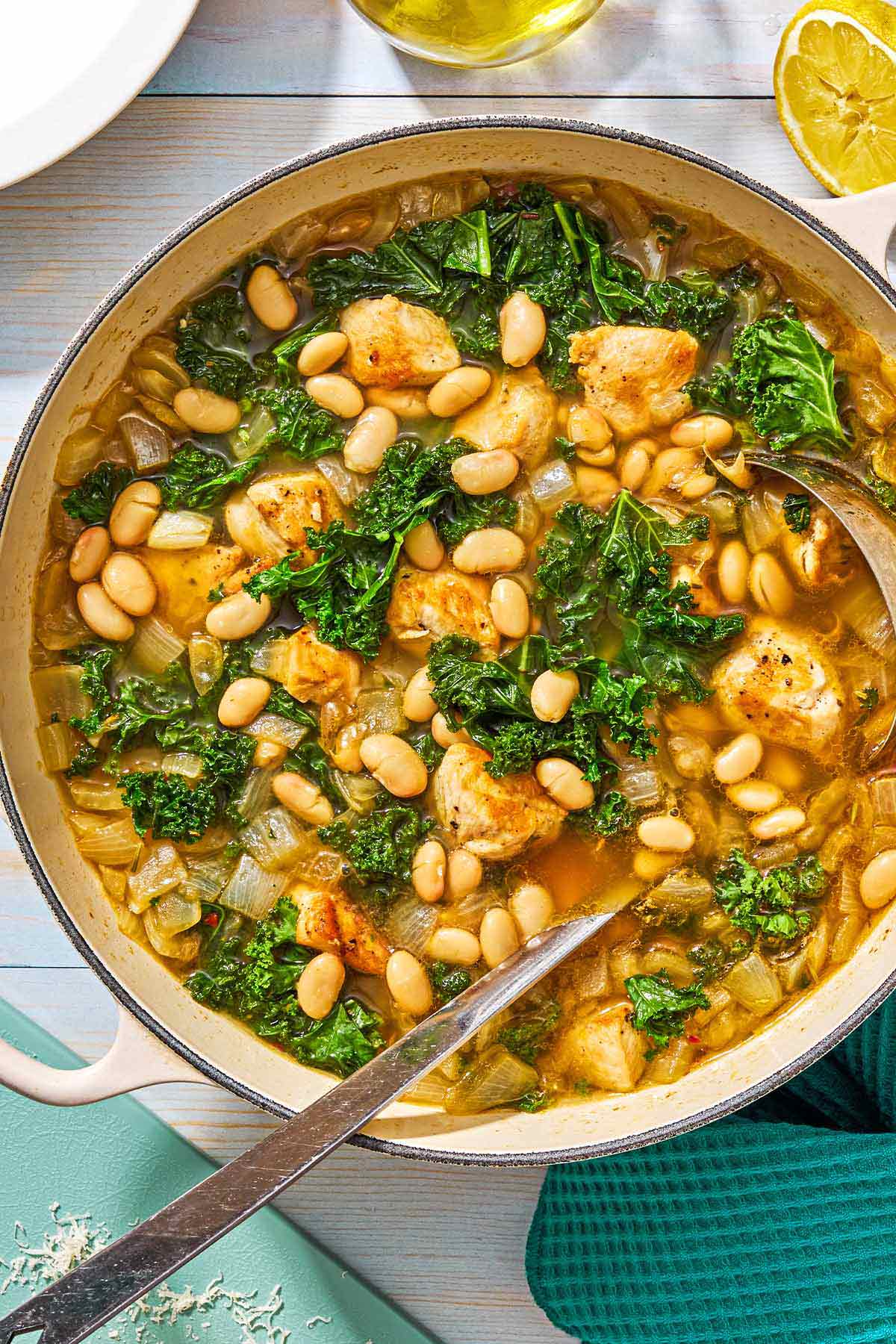
Nourishing & Easy Mediterranean Soups for Sustainable Weight Loss
In the quest for a healthier lifestyle and sustainable weight loss, many of us find ourselves torn between delicious comfort food and nutrient-dense meals. What if you could have both? Enter the wonderful world of
mediterranean soup recipes – a collection of dishes that perfectly blend warmth, satisfaction, and profound nutritional benefits. These aren't just any soups; they are a cornerstone of one of the healthiest eating patterns on the planet, offering a simple, effective, and incredibly flavorful path to managing your weight without feeling deprived.
Imagine a meal that's easy to prepare, full of vibrant ingredients, and leaves you feeling comfortably full without the heaviness. That's the promise of Mediterranean soups. From hearty lentil stews bursting with earthy flavors to light, zesty vegetable broths and protein-packed seafood options, these recipes leverage fresh produce, healthy fats, and lean proteins to make healthy eating an enjoyable and effortless experience. When you're looking to reset your eating habits, embrace clean fuel, or simply enjoy a comforting meal that aligns with your wellness goals, these nourishing bowls are a perfect choice.
The Mediterranean Secret to Sustainable Weight Loss
Why are
mediterranean soup recipes particularly effective for weight loss? The answer lies in the fundamental principles of the Mediterranean diet itself, which prioritizes whole, unprocessed foods. Unlike restrictive fad diets, the Mediterranean approach focuses on abundance and flavor, naturally guiding you towards healthier choices that support long-term well-being and weight management.
Here’s how these soups become your allies in sustainable weight loss:
*
Nutrient Density, Low Calorie: Most Mediterranean soups are built around a generous base of vegetables, legumes (like beans and lentils), and lean proteins, all of which are rich in vitamins, minerals, and antioxidants, yet relatively low in calories. This means you can eat a satisfying portion without over-consuming energy.
*
High in Fiber: Vegetables and legumes are fiber powerhouses. Fiber adds bulk to your meal, slows digestion, and helps you feel full for longer, significantly reducing the likelihood of snacking between meals. This sustained satiety is crucial for weight management.
*
Healthy Fats for Satisfaction: Extra virgin olive oil, a staple in Mediterranean cooking, provides monounsaturated fats that are not only heart-healthy but also contribute to feelings of satisfaction. Healthy fats help absorb fat-soluble vitamins and make your meals more enjoyable, preventing the cravings often associated with fat-free diets.
*
Excellent for Portion Control: Serving soup in a bowl inherently helps with portion control. Furthermore, their high water content adds volume to your meal, contributing to fullness without adding extra calories.
*
Ideal for Meal Prep: Mediterranean soup recipes are fantastic for batch cooking. Preparing a large pot at the beginning of the week means you have ready-to-eat, healthy meals for several days, making it easier to stick to your dietary goals even on busy schedules. This consistency is a cornerstone of sustainable weight loss.
Beyond Weight Loss: A Lifestyle of Longevity (Blue Zones Connection)
The benefits of incorporating
mediterranean soup recipes into your diet extend far beyond the scale. The Mediterranean eating pattern is celebrated globally for its profound impact on overall health and longevity. If you've ever watched Netflix's compelling documentary,
Live to 100: Secrets of the Blue Zone, you've witnessed firsthand the remarkable lives of people who consistently live past 100 years old, often free from chronic illnesses.
These "Blue Zones" – areas like Ikaria, Greece, and Sardinia, Italy – share common lifestyle factors, with diet playing a significant role. Residents of these regions prioritize plant-based foods, including abundant vegetables, legumes (beans, lentils, chickpeas), whole grains, fruits, and lean proteins such as fish. It’s no coincidence that many
mediterranean soup recipes mirror these exact dietary patterns. They are packed with the same good-for-you ingredients that fuel centenarians: think white beans, lentils, chickpeas, wholesome vegetables, and occasionally lean proteins like seafood or chicken.
By enjoying these heartwarming and flavorful soups, you're not just supporting weight loss; you're embracing a way of eating linked to reduced risk of heart disease, improved brain health, and a longer, more vibrant life. For more on how these dishes contribute to extraordinary health, explore how these delicious Mediterranean soups can
Unlock Longevity: Delicious Mediterranean Soups for Blue Zone Health.
Crafting Your Perfect Mediterranean Soup: Essential Ingredients & Flavors
The beauty of
mediterranean soup recipes lies in their simplicity and the quality of their ingredients. You don't need exotic items or complicated techniques; just a few foundational elements can transform into a deeply satisfying and nourishing meal.
Here are the key components to building your ideal Mediterranean soup:
*
The Golden Liquid – Extra Virgin Olive Oil: This is the cornerstone. Use good quality extra virgin olive oil for sautéing aromatics and for drizzling over the finished soup to add a final flourish of flavor and healthy fats.
*
A Rainbow of Vegetables: Embrace seasonal produce! Onions, garlic, carrots, celery, bell peppers, zucchini, spinach, kale, tomatoes (fresh or canned), and potatoes are all excellent choices. The more variety, the richer the nutrient profile.
*
Legumes for Heartiness and Protein: Lentils (green, brown, red), chickpeas, cannellini beans, and kidney beans are incredibly versatile. They add significant fiber, plant-based protein, and a creamy texture when slightly mashed or blended.
*
Lean Protein Boosts: While many Mediterranean soups are naturally vegetarian or vegan thanks to legumes, you can also incorporate lean proteins like flaky white fish, shrimp, or skinless chicken breast for added satiety.
*
Whole Grains (Optional but Recommended): For extra texture and complex carbohydrates, consider adding a handful of small whole-wheat pasta, farro, or even quinoa towards the end of the cooking process.
*
Aromatic Herbs & Spices: This is where the Mediterranean soul truly comes alive. Fresh or dried oregano, basil, thyme, rosemary, bay leaves, parsley, and dill are quintessential. Don't forget fresh garlic, which forms the flavor base for many soups. A pinch of red pepper flakes can add a delightful warmth.
*
Quality Broth: Whether vegetable or chicken, a good quality low-sodium broth is essential for building a flavorful foundation.
The combination of these ingredients results in soups that are typically brothy and light, allowing the natural flavors of the produce and herbs to shine. While some might incorporate a touch of richness through blended vegetables or legumes, traditional heavy creams are rarely used, keeping the soups naturally lighter and more aligned with weight loss goals. This versatility also means there are ample options for gluten-free, vegetarian, and vegan adaptations, ensuring there's a delicious Mediterranean soup for everyone.
Practical Tips for Maximizing Your Mediterranean Soup Experience
Embracing
mediterranean soup recipes for sustainable weight loss is about more than just following a recipe; it's about integrating smart habits into your cooking routine. Here are some practical tips to enhance your soup experience:
*
Mastering Meal Prep: One of the greatest advantages of
mediterranean soup recipes for weight loss is their incredible suitability for meal prep. Dedicate an hour or two on a Sunday to cook a large batch. Portion it into single-serving containers for quick, healthy lunches or dinners throughout the week. Most soups freeze beautifully, making them ideal for having healthy options ready whenever you need them.
*
Embrace Ingredient Versatility: Don't feel tied to a specific ingredient list for your
mediterranean soup recipes. Use what you have on hand, what's in season, or what's on sale. Have leftover roasted vegetables? Toss them in! A different type of bean? Swap it in! This flexibility makes cooking less stressful and more enjoyable.
*
Layer Your Flavors: Start with sautéing your aromatics (onions, garlic, carrots, celery) until softened to build a deep flavor base. Add dried herbs with your liquids to let them bloom, and stir in fresh herbs towards the very end to preserve their bright taste. A squeeze of fresh lemon juice or a dash of good quality vinegar right before serving can brighten the entire dish.
*
Don't Skimp on Broth Quality: The broth is the backbone of your soup. Invest in a good quality low-sodium vegetable or chicken broth. Alternatively, making your own simple broth from vegetable scraps adds an incredible depth of flavor.
*
Mindful Serving Suggestions: While these soups are satisfying on their own, pairing them with a slice of crusty whole-grain bread for dipping or a simple side salad dressed with olive oil and lemon can round out the meal without adding unnecessary calories. For more diverse and healthy recipes perfectly suited for planning ahead, explore
Easy Mediterranean Soups: Diverse & Healthy Recipes for Meal Prep.
In conclusion, the journey to sustainable weight loss doesn't have to be one of sacrifice and bland meals.
Mediterranean soup recipes offer a delicious, comforting, and remarkably effective solution. By focusing on whole, nutrient-dense ingredients, healthy fats, and smart preparation techniques, you can enjoy warming, satisfying meals that not only support your weight management goals but also contribute to a vibrant, healthier life echoing the wisdom of the Blue Zones. So, gather your ingredients, fire up your stove, and dive into the nourishing world of Mediterranean soups – your body and taste buds will thank you!